How to Install Syncthing on Ubuntu 24.04

This article provides instructions for installing Syncthing, a file and directory synchronization tool, on Ubuntu 24.04.
Syncthing is an open-source file synchronization tool that lets you sync files between devices without relying on a centralized server. Why use it? It keeps your data private by connecting your devices directly instead of using a cloud company’s server. What happens when done? Your files stay updated across all your devices automatically.
You can choose specific folders to sync, manage versions, and set bandwidth limits, creating a customized experience for your file synchronization requirements.
Install Syncthing
To synchronize files using Syncthing, install it on all your devices. Open your terminal and run these commands:
sudo apt update
sudo apt install syncthing
After installing, you must tell the system to start Syncthing automatically when you log in. Run this command:
systemctl –user enable syncthing
You can start or stop the service at any time with these commands:
systemctl –user start syncthing
systemctl –user stop syncthing
Configure Syncthing
Once the service is running, you need to set up a secure login for the web interface.
- Open your web browser and go to http://127.0.0.1:8384.
- Navigate to the Settings menu in the top right corner.
- Click on the GUI tab.
- Enter a unique username and a strong, secure password in the provided fields.
- Click Save.
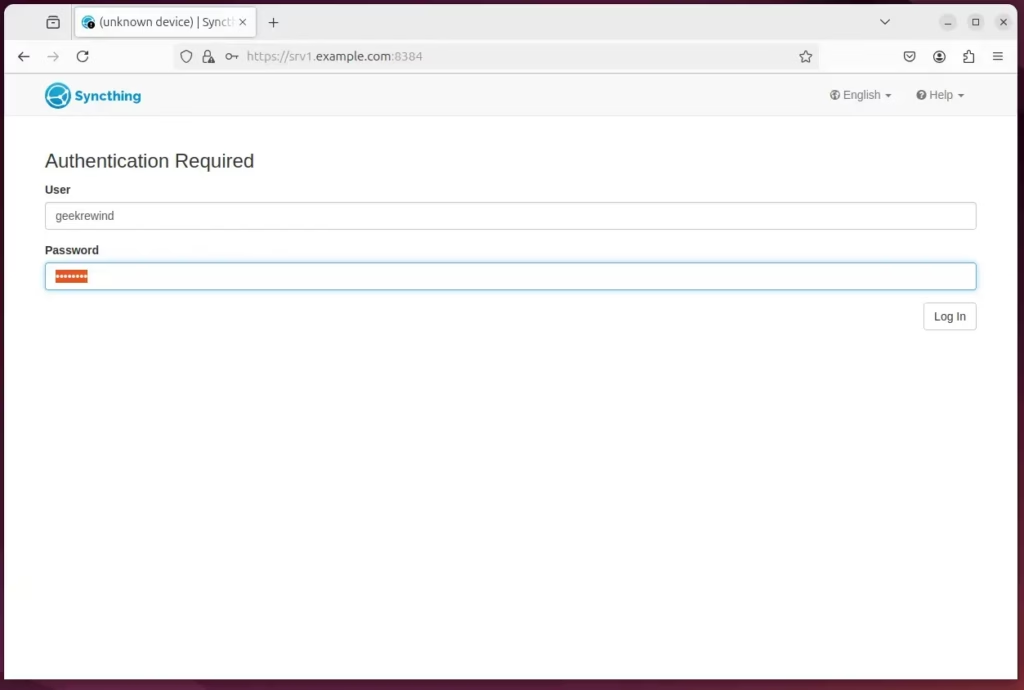
The interface will refresh and prompt you to log in with your new credentials.
Log in to the Syncthing portal
If you have trouble accessing the portal, check the service status to find your configuration path by running:
systemctl –user status syncthing
Open a browser and browse to your server’s IP address followed by port 8384.
https://your-ip-address:8384
Enter the username and password you just created to log in.
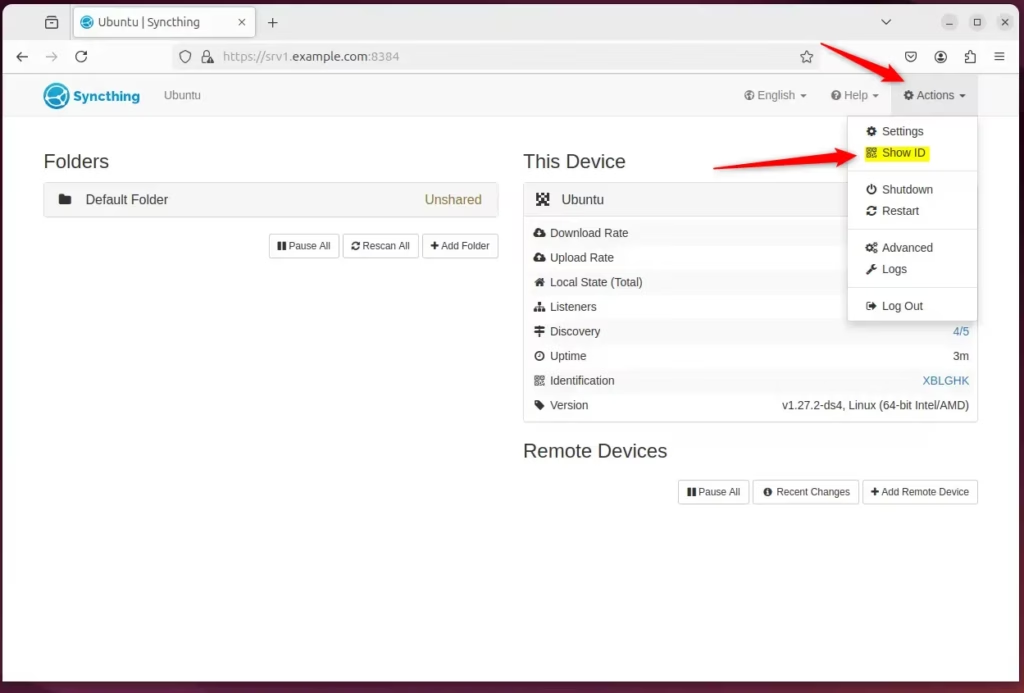
Once you log in, click the “Actions” button and select “Show ID” on the top menu.
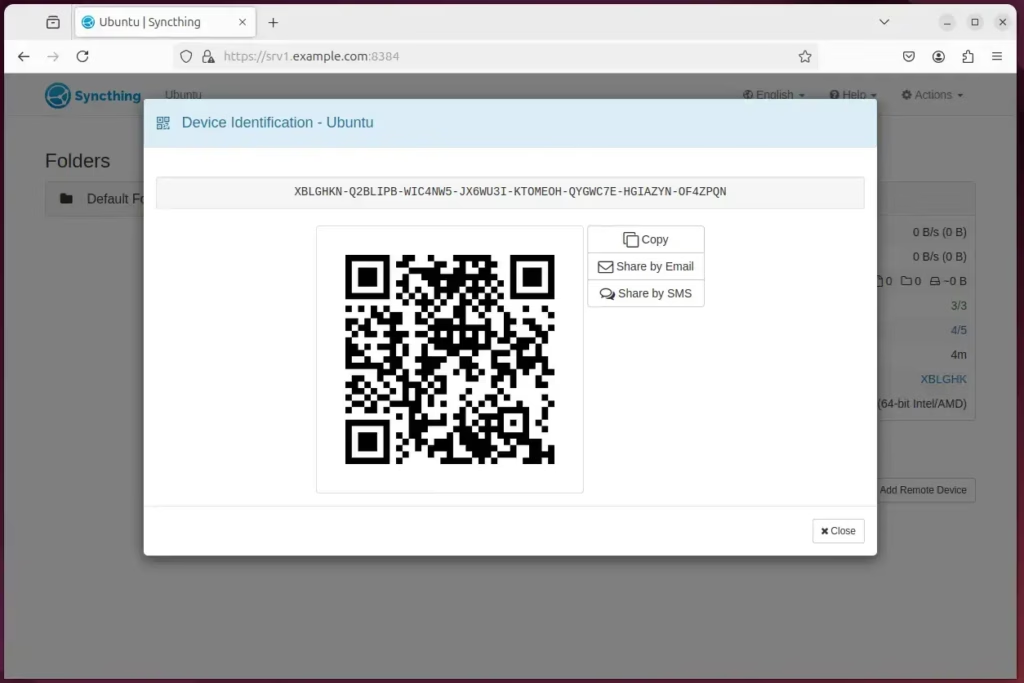
Copy the connection ID and use it to add a remote host.
Click “Add Remote Device” on the remote host and enter the connection ID you copied from the other host. Return to the original host and confirm the request to connect.
Using GUI Wrappers
If you prefer not to use a web browser, you can install a GUI wrapper. These tools sit in your desktop taskbar and make managing your sync status much easier. Look for “Syncthing GTK” or “SyncTrayzor” in your software center to simplify your daily management.
Conclusion
Syncthing offers a flexible and effective way to synchronize files across multiple devices. By following these steps, you ensure your data remains secure and private.
- Open-source: A free solution for file synchronization.
- Direct Connection: Connects devices directly to keep your data private.
- Customizable: Choose specific folders and set limits to fit your needs.
- Real-time Sync: Files update automatically whenever you make a change.
Was this guide helpful?





Leave a Reply Cancel reply